French carmaker Renault plans to extend the life of its fourth generation Espace MPV for at least a year or so with a minor update that brings its front-end styling in line with the rest of the brand while also improving the 7-seater model's environmental and fuel economy credentials. On the outside, the 2013 Espace adopts Renault’s new styling identity up front with a more prominent and upright logo set against a new broad black grille bar with chrome trim, and a newly styled bumper. The only other change on the exterior is the introduction of new alloy wheel designs.
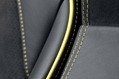
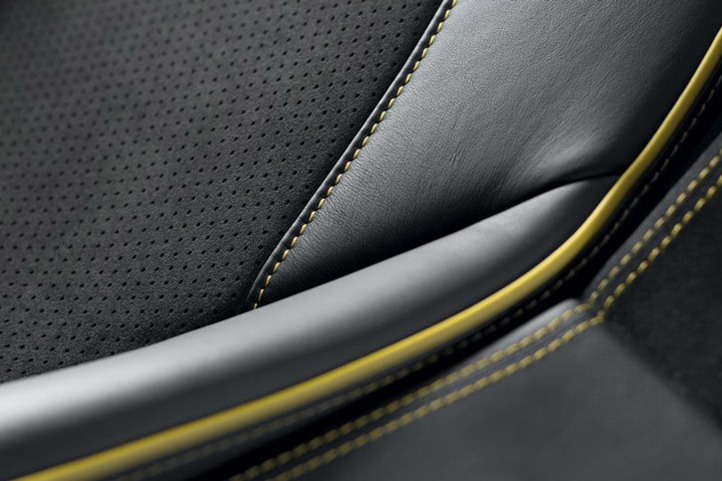
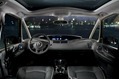
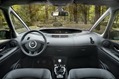
Inside, the luxury Initiale Paris version has been updated with visible stitching for the dashboard and new leather and Alcantara upholstery for the rest of the cabin.
Renault says standard amenities across the range include a Carminat TomTom Live navigation system, a hands-free card and comprehensive connectivity (Bluetooth audio streaming, AUX and USB sockets), while on the options list buyers can find a DVD player complete with two seven-inch screens built into the back of the front head rests and a new reverse camera.
While the Espace will continue to be offered with the same engines, improvements to the diesel units as well as to the chassis and running gear of all models, including revised underbody parts, plus new low rolling resistance tires and an electro-hydraulic power steering, help reduce CO2 emissions and fuel consumption across the range.
According to Renault, average fuel consumption on the 130PS, 150PS and 175PS versions of the 2.0-liter dCi diesel engine has been reduced by 0.8lt/100km while CO2 emissions drop by 20g/km.
In the case of the 2.0-litre turbocharged petrol engine, fuel consumption has fallen to 8.5 lt/100km (down 0.3 lt/100km) and CO2 emissions to 198g/km (a saving of 6g/km).
The 2013 model year Renault Espace goes on sale in mainland Europe this July.
French carmaker Renault plans to extend the life of its fourth generation Espace MPV for at least a year or so with a minor update that brings its front-end styling in line with the rest of the brand while also improving the 7-seater model's environmental and fuel economy credentials. On the outside, the 2013 Espace adopts Renault’s new styling identity up front with a more prominent and upright logo set against a new broad black grille bar with chrome trim, and a newly styled bumper. The only other change on the exterior is the introduction of new alloy wheel designs.
Inside, the luxury Initiale Paris version has been updated with visible stitching for the dashboard and new leather and Alcantara upholstery for the rest of the cabin.
Renault says standard amenities across the range include a Carminat TomTom Live navigation system, a hands-free card and comprehensive connectivity (Bluetooth audio streaming, AUX and USB sockets), while on the options list buyers can find a DVD player complete with two seven-inch screens built into the back of the front head rests and a new reverse camera.
While the Espace will continue to be offered with the same engines, improvements to the diesel units as well as to the chassis and running gear of all models, including revised underbody parts, plus new low rolling resistance tires and an electro-hydraulic power steering, help reduce CO2 emissions and fuel consumption across the range.
According to Renault, average fuel consumption on the 130PS, 150PS and 175PS versions of the 2.0-liter dCi diesel engine has been reduced by 0.8lt/100km while CO2 emissions drop by 20g/km.
In the case of the 2.0-litre turbocharged petrol engine, fuel consumption has fallen to 8.5 lt/100km (down 0.3 lt/100km) and CO2 emissions to 198g/km (a saving of 6g/km).
The 2013 model year Renault Espace goes on sale in mainland Europe this July.
PHOTO GALLERY



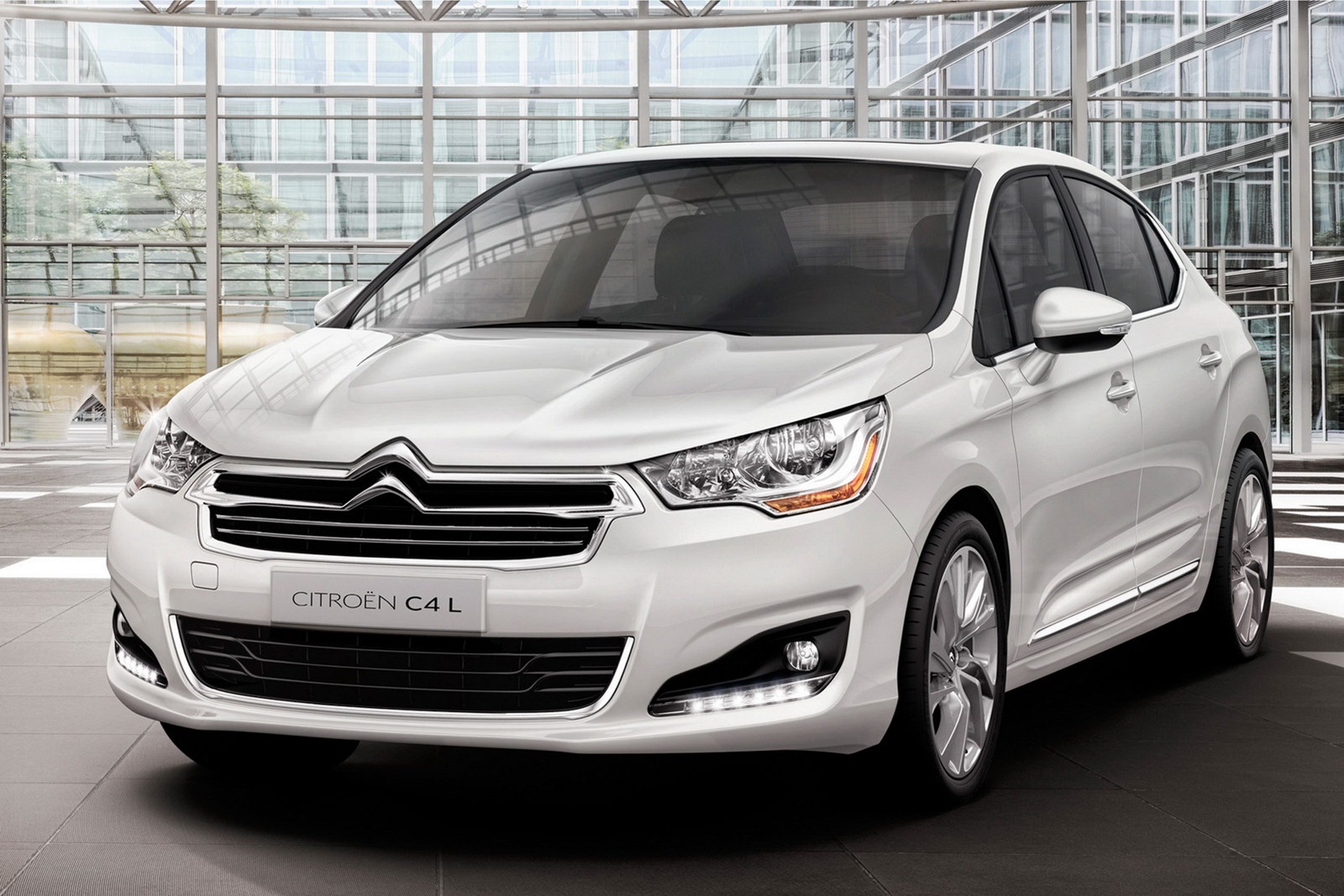
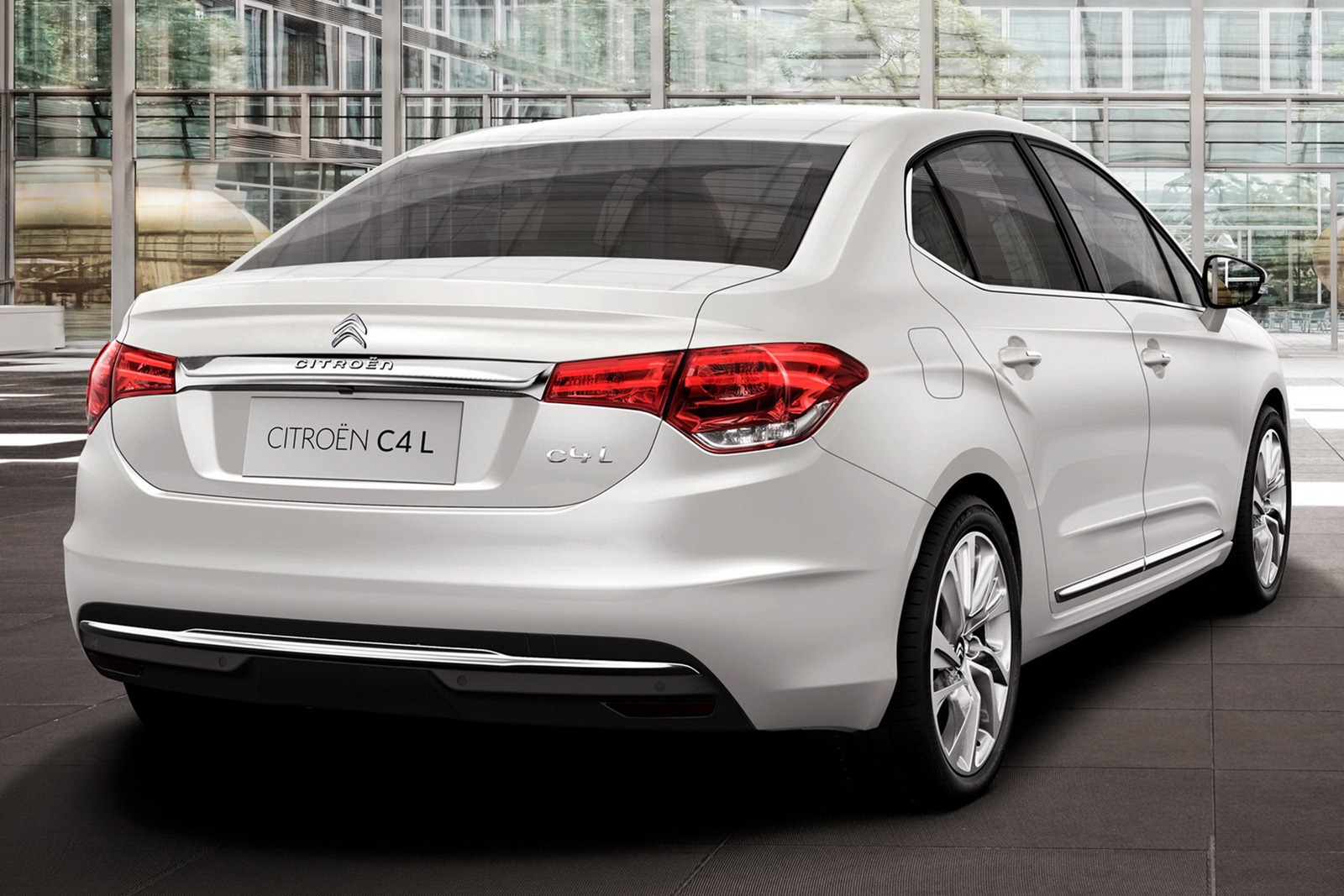
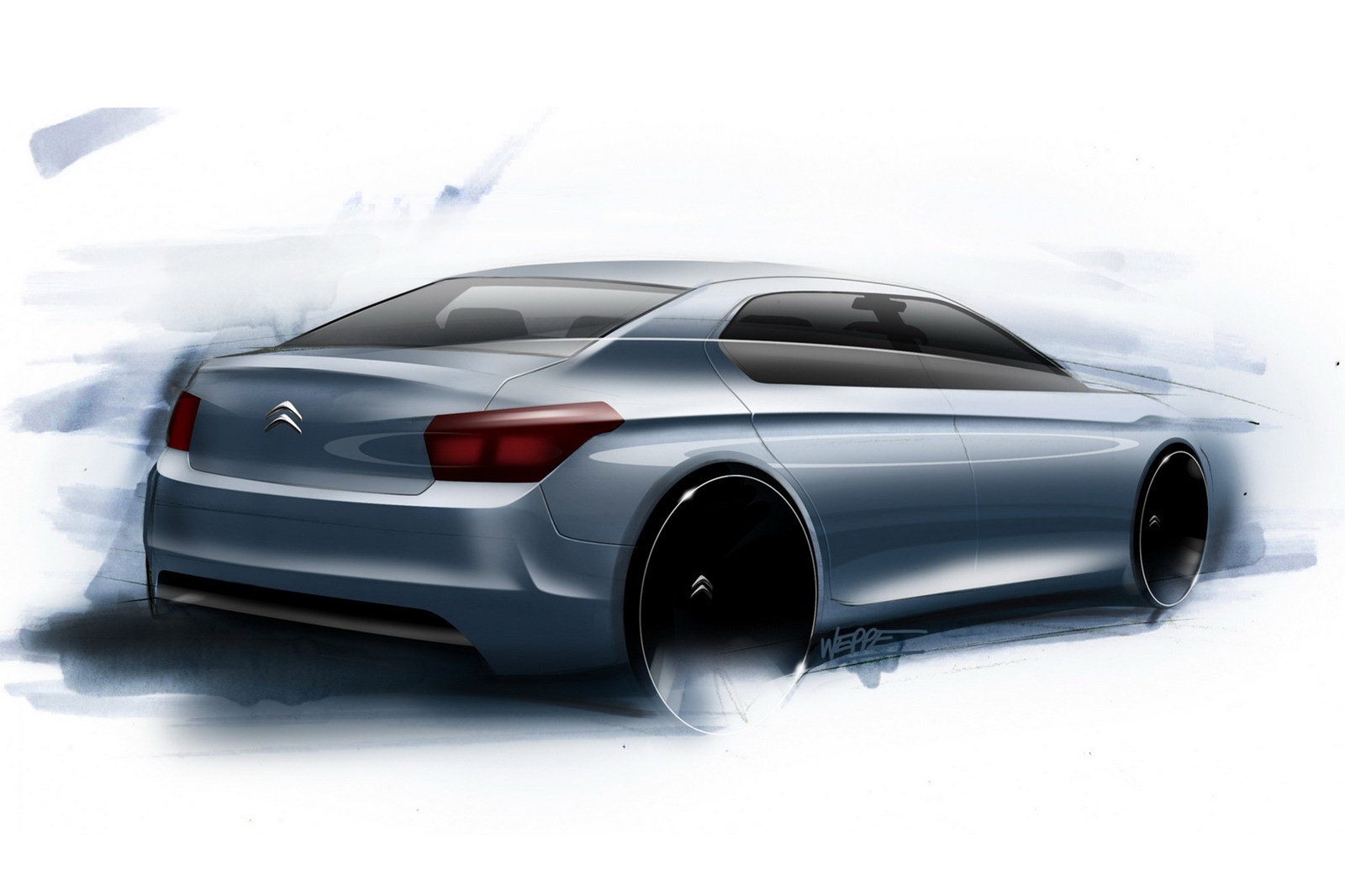
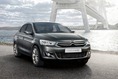
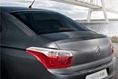
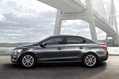
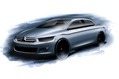
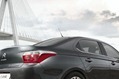
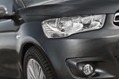
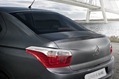
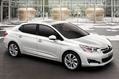
 Citroën is targeting the world's most populous automotive segment, the compact saloon market with some 20 million registrations in 2011 or close to a third of all worldwide passenger car sales, with not one but two new models, the C-Elysée and C4 L. As you may have already guessed by now, the C-Elysée is the Citroën flavored version of Peugeot's budget compact sedan, the newly announced 301, with the two cars sharing the same body but bespoke fasicas, wheels and tail lamps.
The French brand says the C-Elysée will be manufactured in Spain and will be sold in Turkey, Spain, Central Europe and Algeria before the end of 2012.
The sedan model rides on a 2.65m long wheelbase and has large boot capacity of 506 litres. Depending on the market, the C-Elysée will be available with the latest generation VTi 97bhp petrol engine.
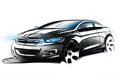
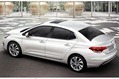
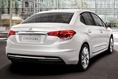
Citroën's second compact sedan is the more upscale C4 L, which is based on the firm's C4 hatchback. Interestingly, the C4 L is the first production Citroën to de designed by the brand's Shanghai style center in China.
According to the French automaker, the C4 L will be produced in each of the zones where it will be sold, including Wuhan, China by the end of 2012, and Kaluga, Russia in the first half of 2013.
Citroën claims that the C4 L will offer a "lounge-like rear compartment" with "wraparound seats, backrests inclined to 29° and headrests designed for added comfort". Available features include hands-free access and start, touch-screen GPS, reversing camera, fully heated windscreen and air ionizer
Buyers will have a choice of three gasoline engines, the BMW Group and PSA co-developed THP 150 and 170, and the VTi 135, all of which can be linked to a new automatic or a sequential 6-speed transmission.
Thanks to Bruno for the tip!
Citroën is targeting the world's most populous automotive segment, the compact saloon market with some 20 million registrations in 2011 or close to a third of all worldwide passenger car sales, with not one but two new models, the C-Elysée and C4 L. As you may have already guessed by now, the C-Elysée is the Citroën flavored version of Peugeot's budget compact sedan, the newly announced 301, with the two cars sharing the same body but bespoke fasicas, wheels and tail lamps.
The French brand says the C-Elysée will be manufactured in Spain and will be sold in Turkey, Spain, Central Europe and Algeria before the end of 2012.
The sedan model rides on a 2.65m long wheelbase and has large boot capacity of 506 litres. Depending on the market, the C-Elysée will be available with the latest generation VTi 97bhp petrol engine.
Citroën's second compact sedan is the more upscale C4 L, which is based on the firm's C4 hatchback. Interestingly, the C4 L is the first production Citroën to de designed by the brand's Shanghai style center in China.
According to the French automaker, the C4 L will be produced in each of the zones where it will be sold, including Wuhan, China by the end of 2012, and Kaluga, Russia in the first half of 2013.
Citroën claims that the C4 L will offer a "lounge-like rear compartment" with "wraparound seats, backrests inclined to 29° and headrests designed for added comfort". Available features include hands-free access and start, touch-screen GPS, reversing camera, fully heated windscreen and air ionizer
Buyers will have a choice of three gasoline engines, the BMW Group and PSA co-developed THP 150 and 170, and the VTi 135, all of which can be linked to a new automatic or a sequential 6-speed transmission.
Thanks to Bruno for the tip!
CITROEN C-ELYSEE


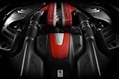
A V12 engine is a rare sight indeed in the automotive world and if we had to pick one maker closely associated with it, then it would have to be Ferrari.  Even the very first model to bear the prancing horse logo, the 1947 125 S, was powered by a 1.5-liter V12 designed by Gioacchino Colombo and it would set the specs for Ferrari’s V12s until the end of the 1980s, long after its creator had left Maranello.
The thing is, even though Ferrari had stayed loyal to the V12 layout in its Formula 1 cars for more than five decades, in 1996, the F310 driven by new signing Michael Schumacher was powered by a V10 –simply because it was a better. Moreover, subsequent rule changes meant that today a V8 is mandatory.
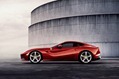
During the launch of the F12berlinetta, it was mentioned that the 730HP engine nesting behind the coupe's sculpted nose was “the first in a new generation of V12s”.
The next car in line is the Enzo replacement. However, traditions don’t necessarily last forever. Are V12-engined Ferraris going to be a thing of the past because of tightening fuel consumption and carbon dioxide emissions?
Ferrari CEO Amedeo Felisa said that the F1-developed kinetic energy recovery system (KERS) will ensure that the company will keep the V12 in its engine line-up for years to come.
“We will roll out new technology that is there first and foremost to introduce a green factor to our cars and ensure that we can keep our product where it is in terms of CO2”, Felisa told British publication Autocar.
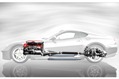
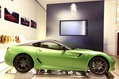
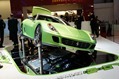
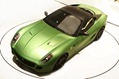
Having experimented with other layouts as well, Ferrari decided to go the hybrid way. It gave us a sneak preview of what it has in store for its future V12s at the 2010 Geneva Motor Show with the 599-based HY-KERS concept.
The hybrid system comprises a compact and light electric motor coupled to the dual-clutch gearbox and a battery pack encased in the underbody. It cuts CO2 emissions by 35 percent while, at the same time, adding another 100HP to the car’s total output, verifying Felisa’s claim that “our hybrid system won’t be just about creating power, but saving energy too”.
Felisa commented, “This technology is expensive today, but it has been designed to fit all our future architecture”. So, will all future Ferraris be hybrids? “If we go ahead, it will be fitted as standard. It’s not the sort of thing you offer as an option," explained Felisa.
Finally, Ferrari’s CEO did not dismiss the notion of offering six-cylinder engines on future models: “Why not six cylinders? It’s far away in the future, perhaps, but it is clear that perceptions have altered. Even in the US, where until a few years ago eight cylinders was the minimum, it is clear attitudes have changed”.
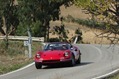
For those of you that baulk at the idea of a Ferrari with less than eight cylinders, we’ll just say that the company’s first mid-engined road car, the 1966 206 Dino, was powered by a V6. So maybe it won’t be merely downsizing, but a return to the company’s roots, as well.
Even the very first model to bear the prancing horse logo, the 1947 125 S, was powered by a 1.5-liter V12 designed by Gioacchino Colombo and it would set the specs for Ferrari’s V12s until the end of the 1980s, long after its creator had left Maranello.
The thing is, even though Ferrari had stayed loyal to the V12 layout in its Formula 1 cars for more than five decades, in 1996, the F310 driven by new signing Michael Schumacher was powered by a V10 –simply because it was a better. Moreover, subsequent rule changes meant that today a V8 is mandatory.
During the launch of the F12berlinetta, it was mentioned that the 730HP engine nesting behind the coupe's sculpted nose was “the first in a new generation of V12s”.
The next car in line is the Enzo replacement. However, traditions don’t necessarily last forever. Are V12-engined Ferraris going to be a thing of the past because of tightening fuel consumption and carbon dioxide emissions?
Ferrari CEO Amedeo Felisa said that the F1-developed kinetic energy recovery system (KERS) will ensure that the company will keep the V12 in its engine line-up for years to come.
“We will roll out new technology that is there first and foremost to introduce a green factor to our cars and ensure that we can keep our product where it is in terms of CO2”, Felisa told British publication Autocar.
Having experimented with other layouts as well, Ferrari decided to go the hybrid way. It gave us a sneak preview of what it has in store for its future V12s at the 2010 Geneva Motor Show with the 599-based HY-KERS concept.
The hybrid system comprises a compact and light electric motor coupled to the dual-clutch gearbox and a battery pack encased in the underbody. It cuts CO2 emissions by 35 percent while, at the same time, adding another 100HP to the car’s total output, verifying Felisa’s claim that “our hybrid system won’t be just about creating power, but saving energy too”.
Felisa commented, “This technology is expensive today, but it has been designed to fit all our future architecture”. So, will all future Ferraris be hybrids? “If we go ahead, it will be fitted as standard. It’s not the sort of thing you offer as an option," explained Felisa.
Finally, Ferrari’s CEO did not dismiss the notion of offering six-cylinder engines on future models: “Why not six cylinders? It’s far away in the future, perhaps, but it is clear that perceptions have altered. Even in the US, where until a few years ago eight cylinders was the minimum, it is clear attitudes have changed”.
For those of you that baulk at the idea of a Ferrari with less than eight cylinders, we’ll just say that the company’s first mid-engined road car, the 1966 206 Dino, was powered by a V6. So maybe it won’t be merely downsizing, but a return to the company’s roots, as well.
PHOTO GALLERY
 Print this page